
Precision as a technology.
Automated blending, accurate dosing and component control.
ENGINEERING IN EVERY PROCESS.
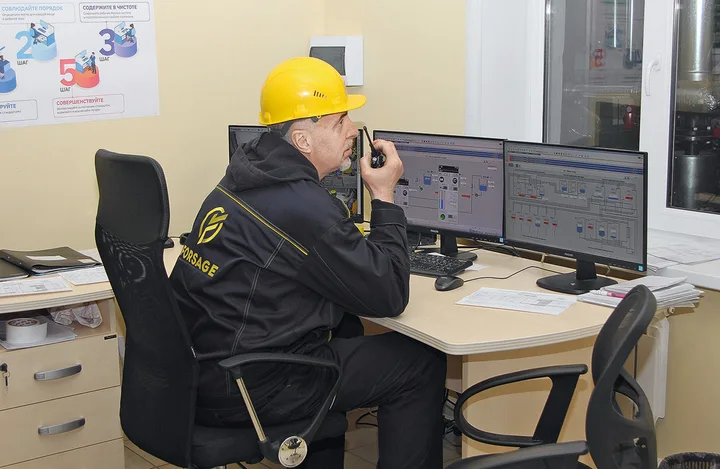
An automated control system monitors oil blending. Coriolis flow meters and load cells help maintain the component quantities specified in the formulation.
Discuss a technical task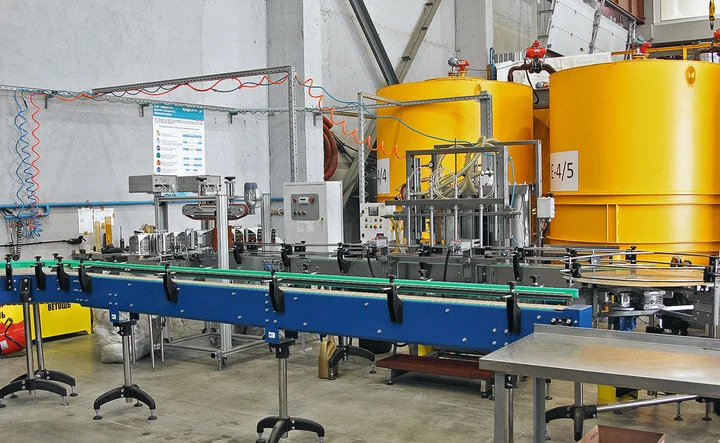
PRODUCTION CYCLE.
It starts with a precise formulation.
The base oil and additive package are selected to meet the requirements of the finished product.
- Result
- Production formulation
First, check the raw materials.
The components' certified properties are compared with incoming inspection results.
- Result
- Blending components
Every component in its place.
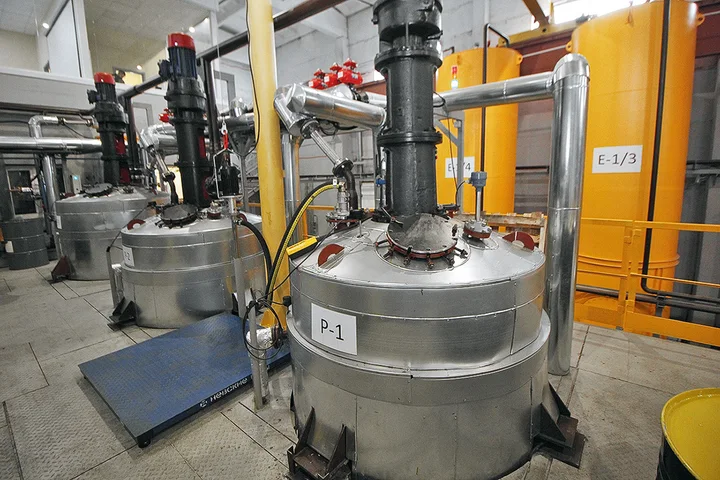
Flow meters and load cells control dosing. Components are combined according to the formulation.
- Result
- A batch for testing
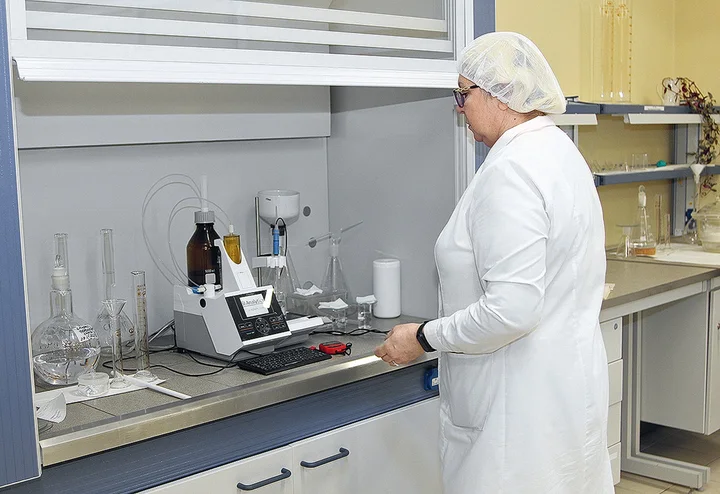
Properties verified by measurement.
Intermediate checks and finished product analysis accompany the production cycle.
- Result
- Verified parameters
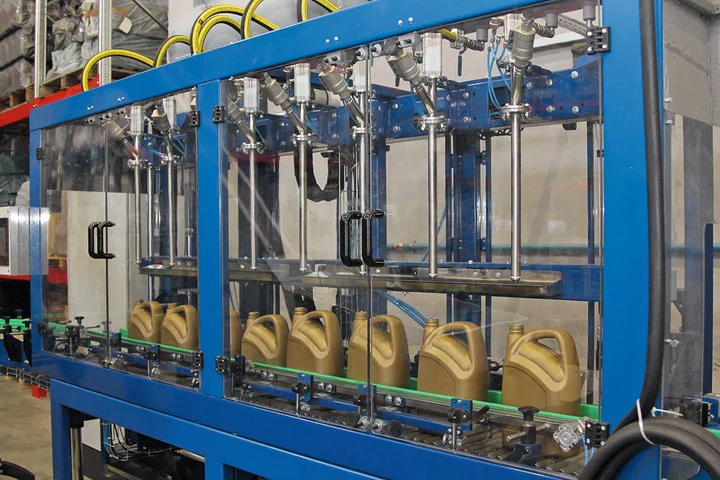
From the batch to your equipment.
The checked oil goes to the filling line. A quality certificate is issued for the released batch.
- Result
- Finished product and quality certificate
Let's work through the details.
Preparation and incoming inspection
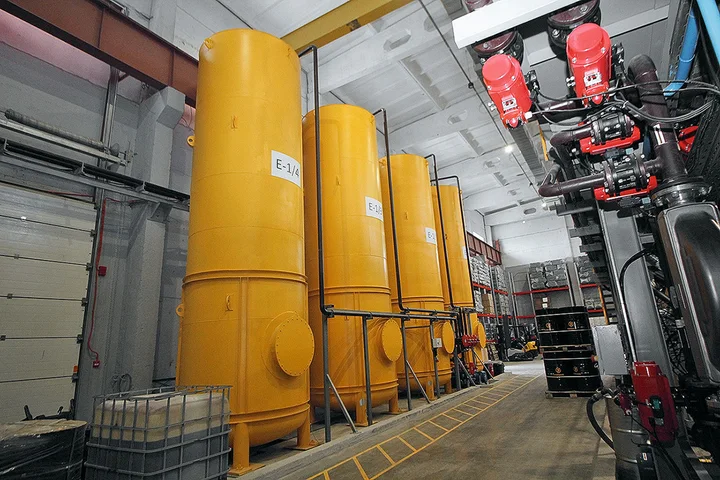
Before oil blending, the laboratory checks the components. In the published plant description, the raw materials' certified properties are compared with measurements, and base oils are fed separately.
Precise dosing
The report on Forsage describes the use of Coriolis flow meters and load cells. These help monitor incoming component quantities. Information is sent to the production control system operator.
Base oil blending
Blending follows the formulation. The production description refers to oil circulation in a closed loop to mix components and organise the process. The conditions for a specific formulation are defined in production documents.
Adding additives and final adjustment
Additives are introduced in the reactor, where component quantities are also monitored. The concentrate then returns to the blending tank for the final adjustment of the product batch.
Testing and filling
The batch undergoes laboratory checks. At the automated station, the oil is filled into containers, which are then sealed and labelled. Batch identification and the quality certificate link the finished lubricant to its documentation.
Limits of the published information
The description of the process sequence is based on a report published on the official website in 2024. It is not a current process instruction and does not disclose formulations or confidential production parameters.
TECHNOLOGIES
THAT ARE TRUSTED.
Explore verified product properties and technical documents.
Technical library